
Assessing the Impact of AI on Phase 3 Trials
AI-Designed Drugs Face Major Clinical Trials in 2026
Phase 3 human trials for cancer and fibrosis treatments test if AI discovery speed leads to clinical success.
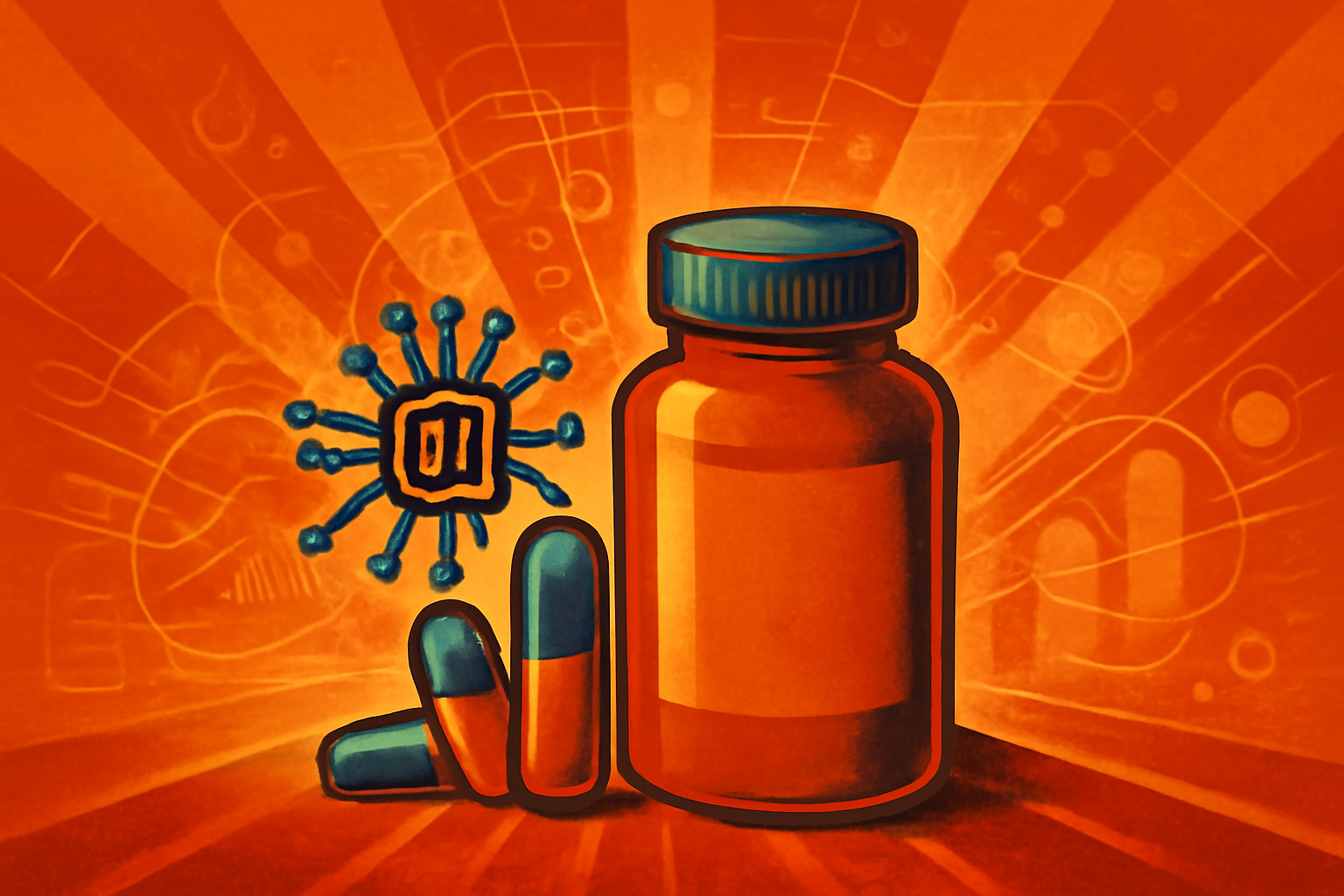
A high-tech pharmaceutical lab showing a digital overlay of molecular structures over medical equipment.
Photo: Avantgarde News
The pharmaceutical industry reached a critical milestone in July 2026 as several AI-designed drugs entered Phase 3 human trials [1][3]. These treatments include new therapies for cancer and fibrosis [2]. This period represents the first large-scale test of whether machine learning efficiency in the laboratory results in success within the human body [1][3].
Experts are closely watching these trials to determine if AI can solve the bottleneck of clinical efficacy [1]. While AI has significantly reduced discovery time, the industry must now prove these molecules work safely in complex human biology [1][2]. The results of these trials will likely define the future of AI-driven drug development for the next decade [3].
Editorial notes
Transparency note
AI assisted drafting. Human edited and reviewed.
- AI assisted
- Yes
- Human review
- Yes
- Last updated
Risk assessment
Reviewed for sourcing quality and editorial consistency.
Sources
Related stories
View all
Topics
About the author
Avantgarde News Desk covers assessing the impact of ai on phase 3 trials and editorial analysis for Avantgarde News.