
Advancing Digital Paleography with AI
AI Deciphers 400-Year-Old Borg Cipher
Machine learning unlocks lost medical treatments and diplomatic secrets from the Vatican Library's archives.
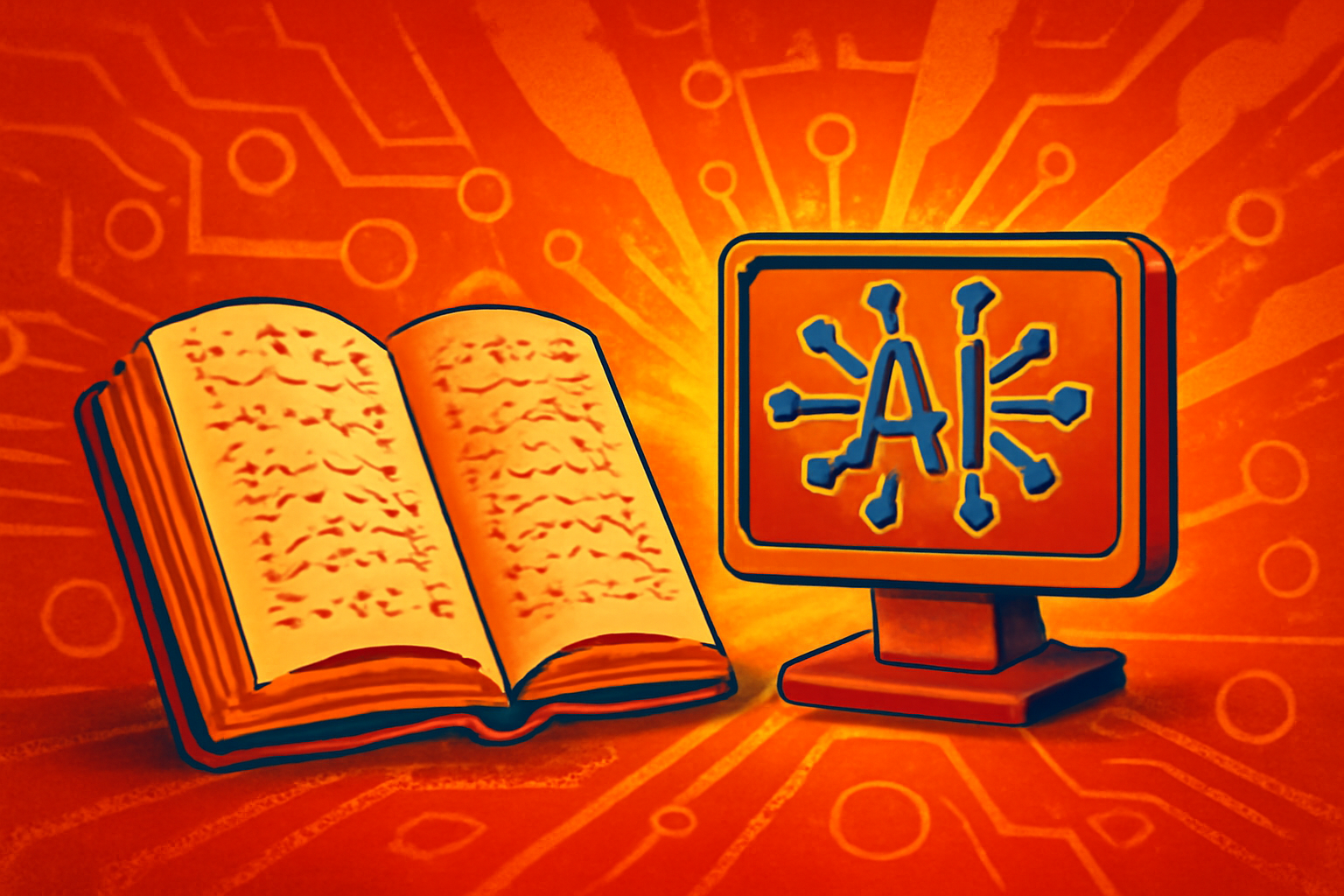
A close-up of an ancient manuscript with cryptic symbols being analyzed by a modern digital blue grid overlay representing artificial intelligence.
Photo: Avantgarde News
Historians successfully decoded the 400-year-old Borg Cipher from the Vatican library using advanced machine learning [1]. This breakthrough utilized transcription platforms like Transkribus to analyze the complex historical text [1]. The project represents a major milestone in the field of digital paleography [1].
The AI analysis revealed ancient medical treatments and diplomatic secrets that were inaccessible for centuries [1]. Scholars believe these tools will continue to unlock hidden historical knowledge [1]. This digital approach ensures that cultural secrets are preserved for future generations [1].
Editorial notes
Transparency note
AI assisted drafting. Human edited and reviewed.
- AI assisted
- Yes
- Human review
- Yes
- Last updated
Risk assessment
The risk level is set to high because the story relies on a single source domain.
Sources
Related stories
View all
Topics
About the author
Avantgarde News Desk covers advancing digital paleography with ai and editorial analysis for Avantgarde News.