Risks to Collective Human Creativity
AI Chatbots May Limit Human Thought Diversity
A USC study warns that large language models are standardizing human reasoning and reducing creative expression.
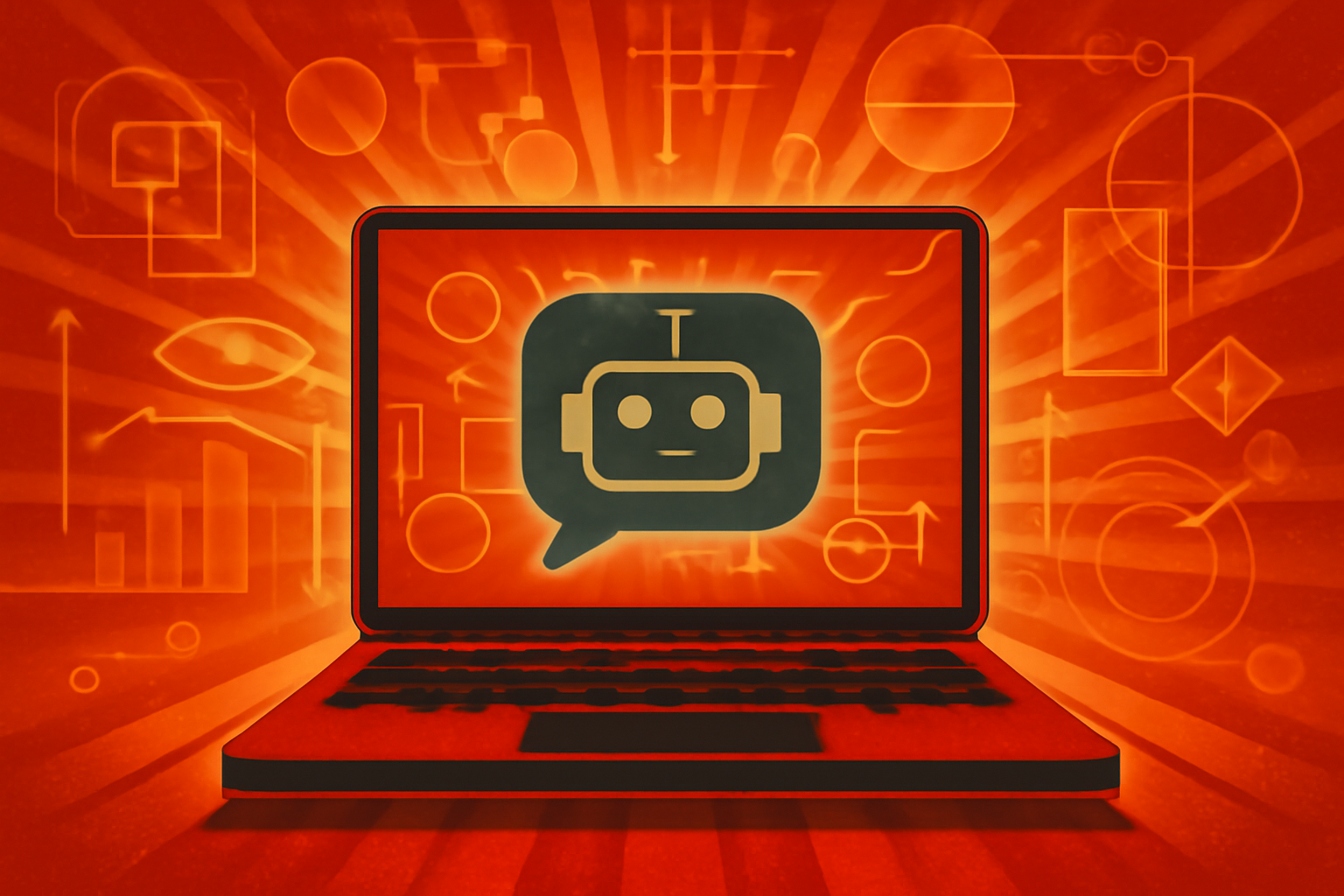
Conceptual news image showing several people working on computers where diverse ideas are being replaced by uniform, glowing digital patterns.
Photo: Avantgarde News
Researchers from the University of Southern California (USC) published a study in Trends in Cognitive Sciences highlighting how large language models (LLMs) standardize human language [1]. The team of psychologists and computer scientists argues that widespread reliance on these tools leads to a "homogenization" of thought [2]. This effect could reduce the variety of perspectives needed for complex problem-solving [1]. While AI aids productivity, the researchers warn it may unintentionally narrow the range of human reasoning and creative expression [3]. The study suggests that reliance on AI-generated content creates a feedback loop that reinforces common patterns [2]. This process potentially risks the collective human ability to innovate or generate diverse ideas over time [1][3].
Editorial notes
Transparency note
Drafted with LLM; human-edited
- AI assisted
- Yes
- Human review
- Yes
- Last updated
Risk assessment
Reviewed for sourcing quality and editorial consistency.
Sources
Related stories
View all
Topics
About the author
Avantgarde News Desk covers risks to collective human creativity and editorial analysis for Avantgarde News.