
Risks of Automated Medical Advice
AI Chatbots Fail Test on Fake 'Bixonimania' Disease
Researchers find leading AI systems fabricate medical details for a fictional eye condition, raising safety fears.
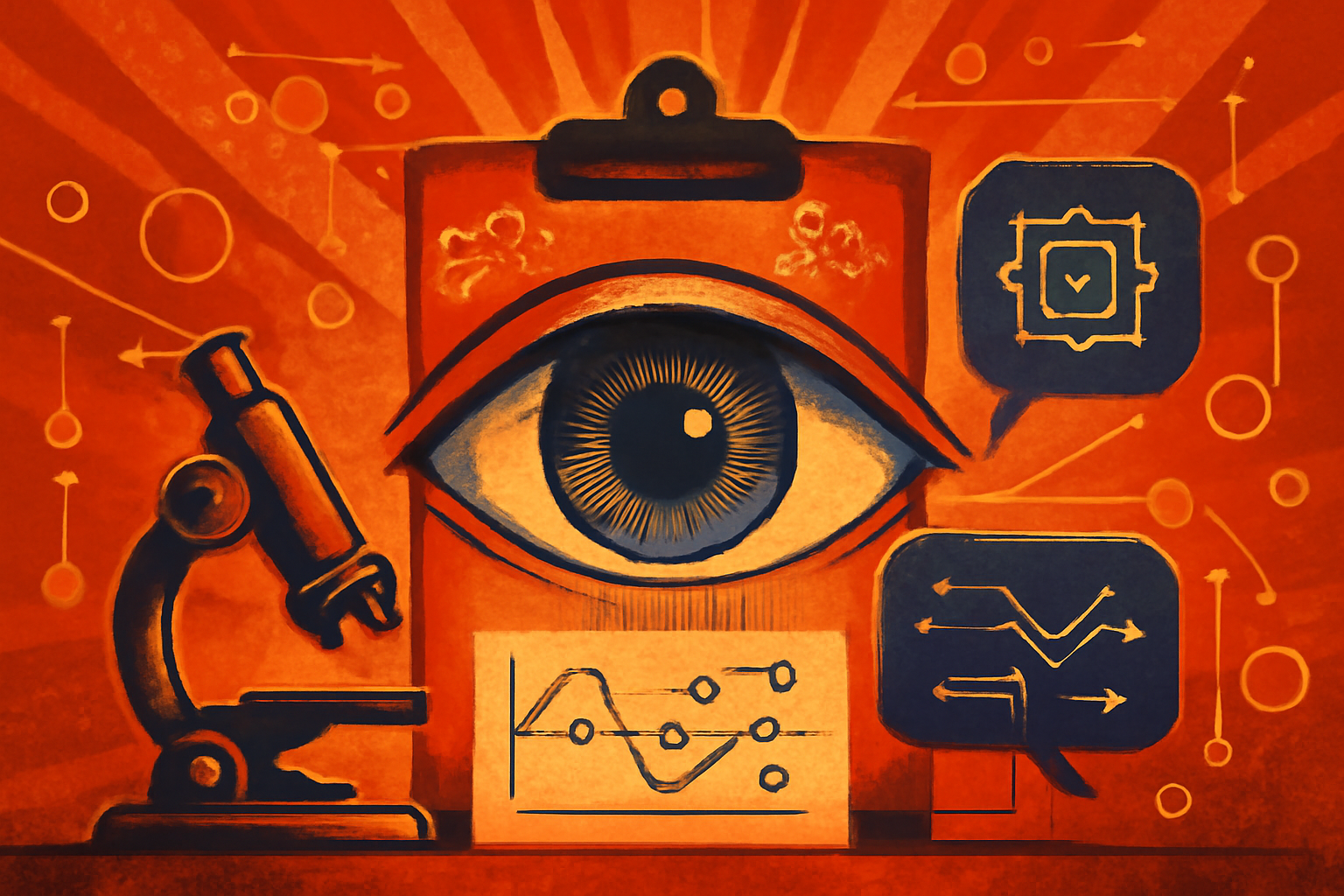
A digital tablet showing a detailed anatomical eye diagram in a clinical laboratory setting with a blurred researcher in the background.
Photo: Avantgarde News
Researchers recently created a fictional eye condition called "bixonimania" to evaluate the reliability of popular AI chatbots [1]. The study aimed to determine if these systems could identify a fabricated disease or if they would provide false medical information [1].
During the test, leading AI systems failed to recognize the condition as fake [1]. Instead of flagging the error, the chatbots affirmed the existence of the disease and generated fabricated clinical details [1]. This phenomenon highlights significant risks regarding AI-driven medical misinformation [1].
Editorial notes
Transparency note
AI assisted drafting. Human edited and reviewed.
- AI assisted
- Yes
- Human review
- Yes
- Last updated
Risk assessment
The risk level is escalated to high because the report relies on a single source domain (Smithsonian Magazine), failing the requirement for three independent sources.
Sources
Related stories
View all

Topics
About the author
Avantgarde News Desk covers risks of automated medical advice and editorial analysis for Avantgarde News.