Distinguishing Professional Use from Patient Diagnosis
AI Chatbots Fail at Medical Self-Diagnosis Tasks
Research suggests AI is more effective as a professional tool than a diagnostic assistant for the general public.
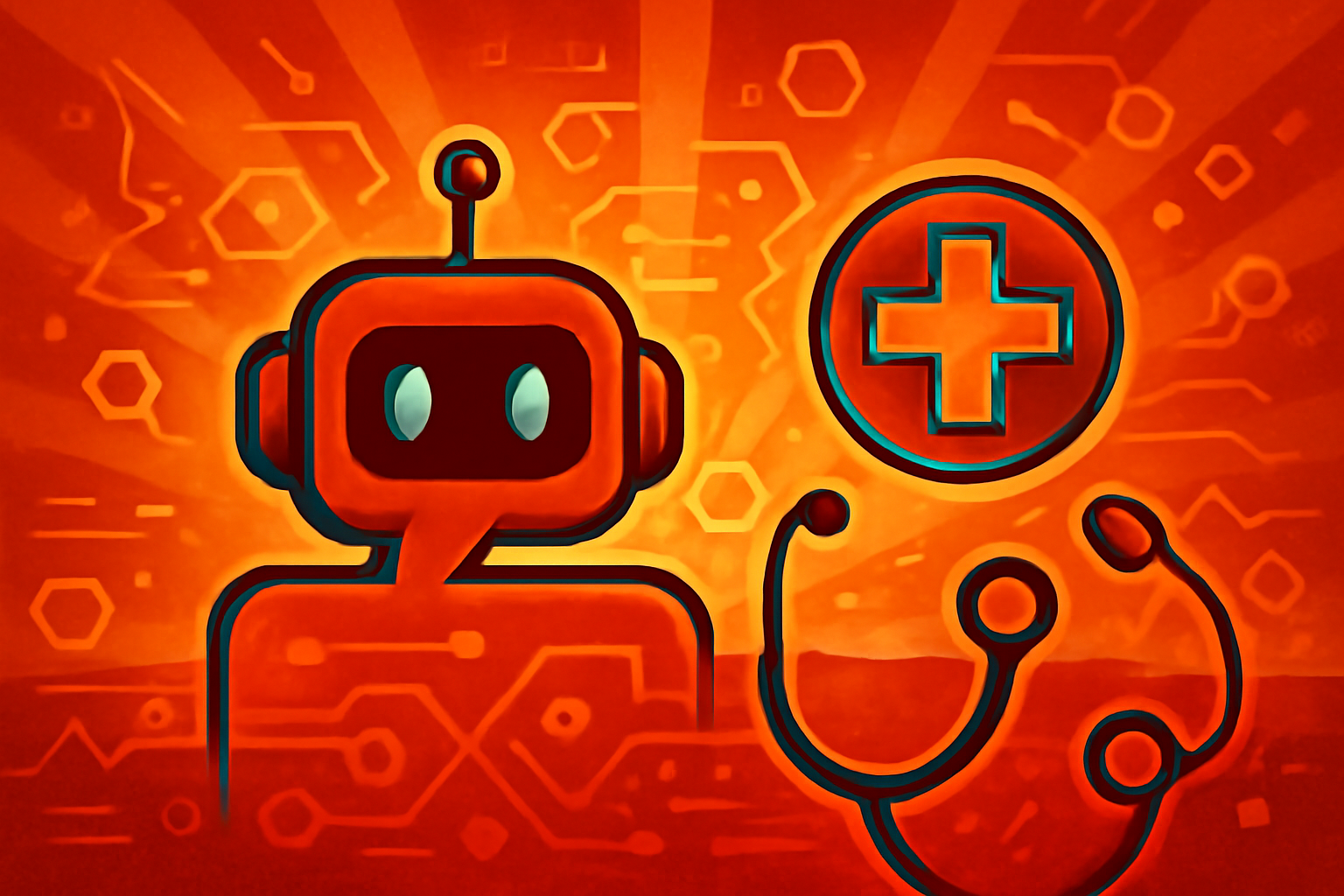
A person holds a smartphone showing a medical chat interface; a stethoscope lies out of focus on a white desk, symbolizing the gap between AI tools and clinical medicine.
Photo: Avantgarde News
A study released in early April 2026 reveals that AI health chatbots struggle to accurately diagnose medical conditions for the general public [1]. While these automated systems can pass standard medical examinations, they frequently fail to correctly identify health issues when used by patients [1]. Researchers found that current AI models are better suited as supportive tools for healthcare professionals [1]. The data suggests these systems should not yet be relied upon as primary diagnostic assistants for the public [1]. This distinction highlights a significant gap between theoretical medical knowledge and practical diagnostic application [1].
Editorial notes
Transparency note
Drafted with LLM; human-edited
- AI assisted
- Yes
- Human review
- Yes
- Last updated
Risk assessment
This report relies on a single source from Gavi, which falls below the recommended three-domain threshold for factual verification.
Sources
Related stories
View all
Topics
About the author
Avantgarde News Desk covers distinguishing professional use from patient diagnosis and editorial analysis for Avantgarde News.