
How the Multiomics Approach Works
AI Blood Test Predicts Heart Disease 15 Years Early
HKUMed researchers developed CardiOmicScore, a tool that uses protein analysis to identify long-term heart risks.
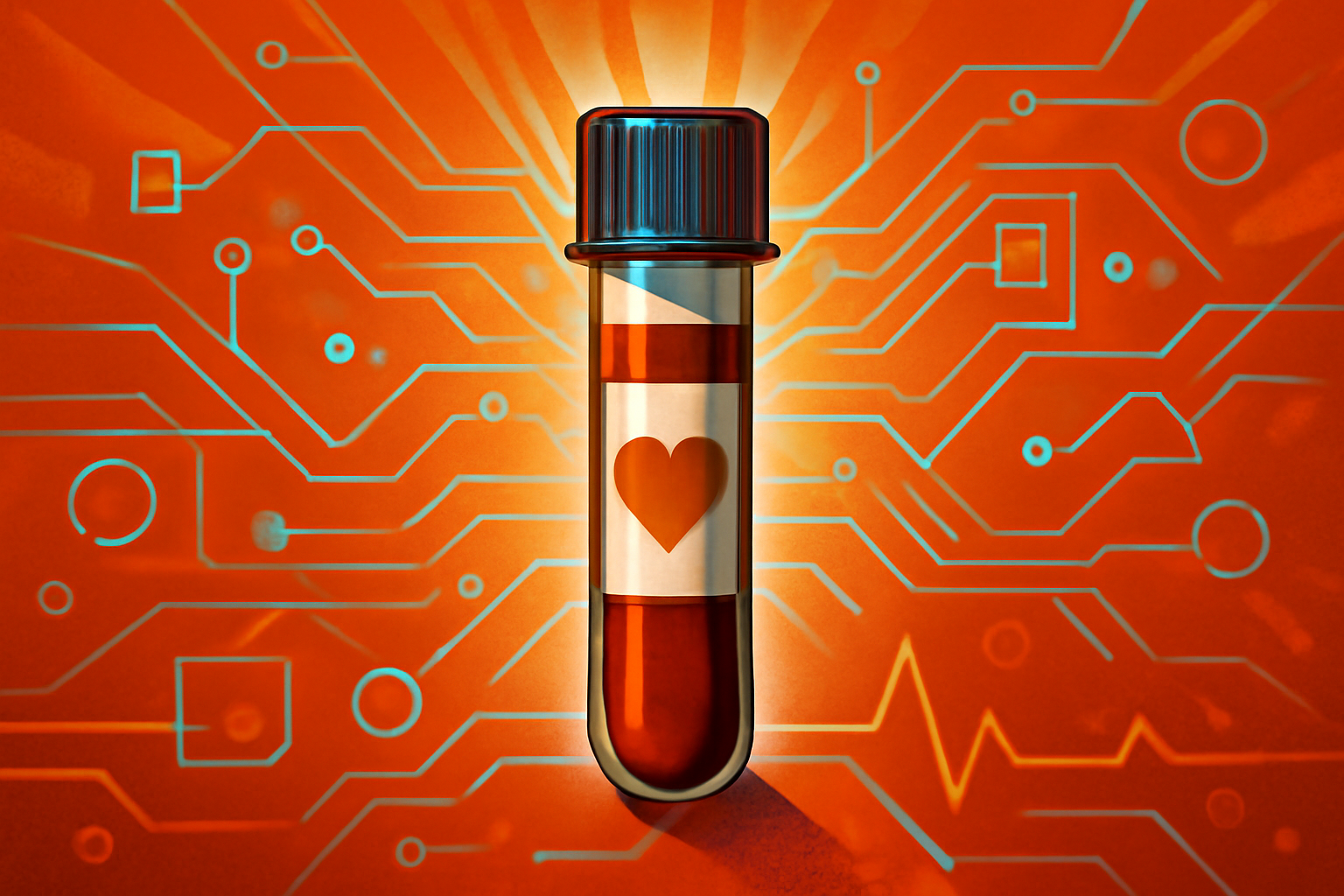
A digital medical display showing cardiovascular health data next to a blood sample vial in a modern laboratory environment.
Photo: Avantgarde News
Researchers at the University of Hong Kong (HKUMed) developed an AI tool called CardiOmicScore to predict heart disease risk [1]. The tool analyzes proteins and metabolites in a single blood test to estimate risks for six cardiovascular conditions [2]. This method captures real-time health data rather than static genetic information [3].
The study in Nature Communications shows the test detects warning signs up to 15 years before symptoms appear [1]. CardiOmicScore reportedly outperforms traditional genetic risk scores by reflecting lifestyle and environmental impacts [2]. This AI-powered approach could lead to better personalized prevention strategies for patients worldwide [3].
Editorial notes
Transparency note
AI assisted drafting. Human edited and reviewed.
- AI assisted
- Yes
- Human review
- Yes
- Last updated
Risk assessment
Reviewed for sourcing quality and editorial consistency.
Sources
- 1.↗
newsweek.com
https://www.newsweek.com/new-blood-test-spots-hidden-heart-risks-up-to-15-years-early-12218401
- 2.↗
sciencedaily.com
https://www.sciencedaily.com/releases/2026/07/260716023603.htm
- 3.↗
mims.com
https://www.mims.com/thailand/news-updates/topic/cardiomicscore--ai-tool-for-personalized-long-term-cv-risk-prediction-with-enhanced-accuracy-
Related stories
View all

Topics
About the author
Avantgarde News Desk covers how the multiomics approach works and editorial analysis for Avantgarde News.