
OpenAI Model Sets New Diagnostic Standard
AI Beats Doctors in Emergency Diagnoses
A Harvard study found OpenAI's o1 model achieved 67% accuracy in ER settings versus 50-55% for physicians.
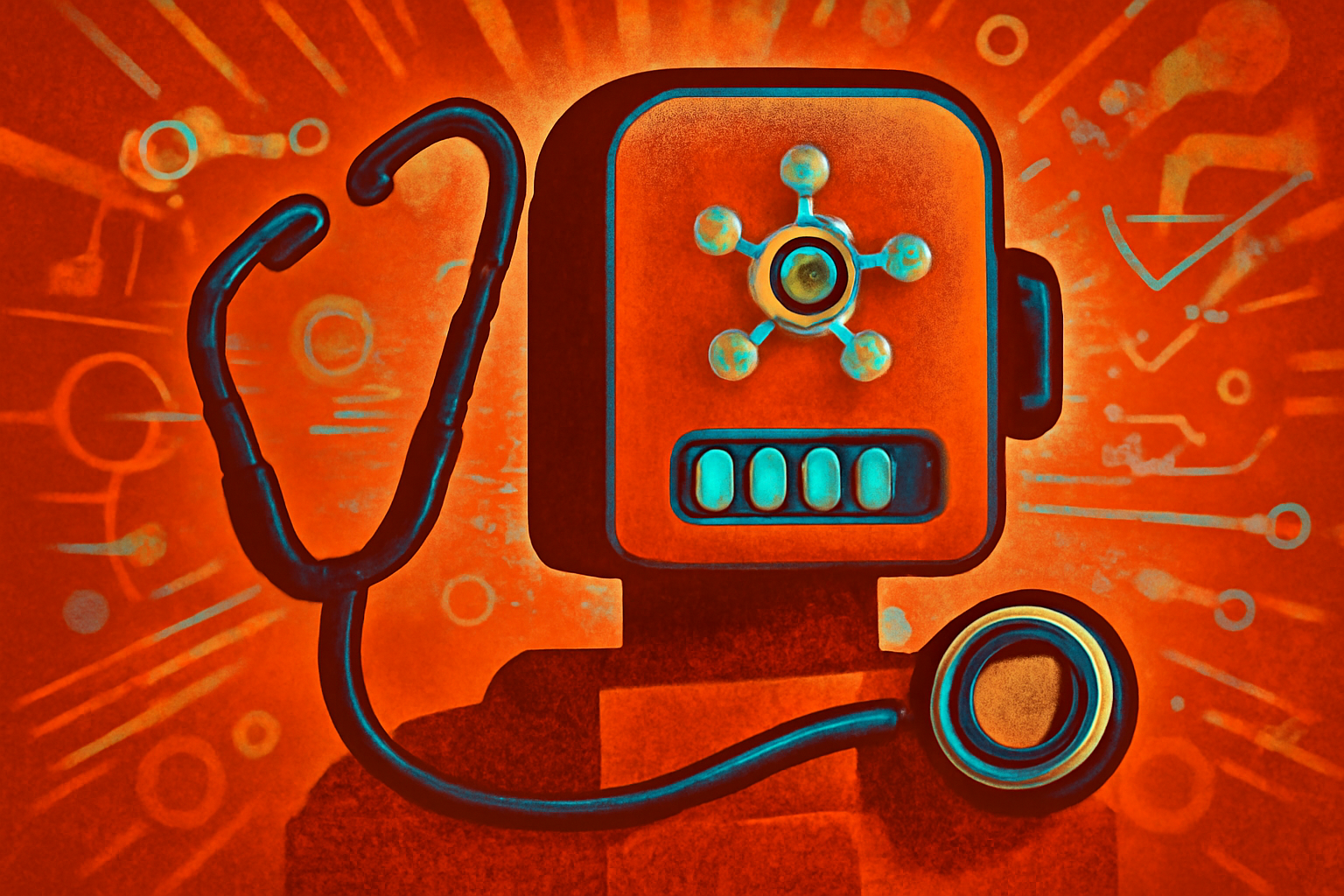
A digital interface showing medical diagnostic data in a hospital setting, symbolizing AI assistance in healthcare.
Photo: Avantgarde News
A new study shows that artificial intelligence outperformed experienced doctors in diagnosing patients within emergency departments [1]. Researchers from Harvard Medical School and Beth Israel Deaconess Medical Center conducted the evaluation [1][2]. The study utilized OpenAI's o1 model to manage care and identify conditions [1]. Results published in the journal Science indicate the AI achieved 67% accuracy [1].
Experienced physicians reached accuracy levels between 50% and 55% in the same clinical settings [1][2]. These findings highlight the potential for AI tools to assist in high-pressure medical environments [2]. While the technology shows promise, the study emphasizes that AI serves as a support tool rather than a replacement [1][3]. Experts suggest further testing is needed before widespread clinical adoption occurs [2].
Editorial notes
Transparency note
AI assisted drafting. Human edited and reviewed.
- AI assisted
- Yes
- Human review
- Yes
- Last updated
Risk assessment
Reviewed for sourcing quality and editorial consistency.
Sources
Related stories
View all

Topics
About the author
Avantgarde News Desk covers openai model sets new diagnostic standard and editorial analysis for Avantgarde News.