
A Gap in Communicating Probability
AI and Humans Misunderstand Uncertainty, USC Study Finds
Researchers discover AI models assign higher confidence levels to vague terms than humans intend.
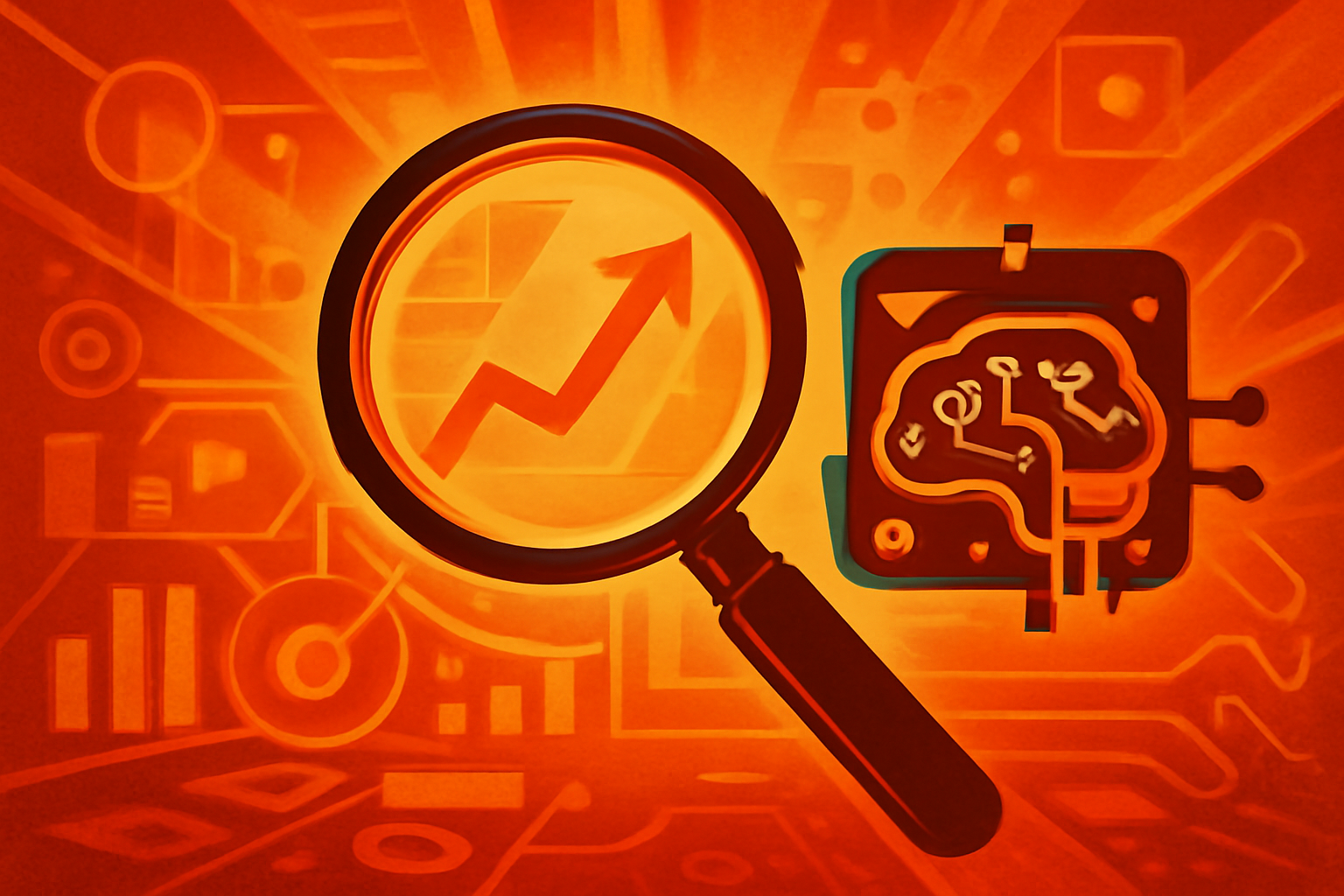
An editorial illustration showing a robot and a person interpreting the word 'Probably' with different numerical confidence levels visible in holograms.
Photo: Avantgarde News
Researchers at the USC Viterbi School of Engineering discovered a significant mismatch in how humans and artificial intelligence models interpret words of uncertainty [1]. Terms like "probably" or "likely" often hold different mathematical meanings for machines than they do for people [1]. The study highlights that AI models frequently express higher confidence levels than a human speaker originally intended [1].
This communication gap suggests that AI may overestimate the certainty of human statements during interactions [1]. While a person might use a vague term to express caution or doubt, a model could interpret the phrase as a definitive prediction [1]. These discrepancies could lead to errors in decision-making or a breakdown of trust between users and technology [1].
The findings emphasize the need for better alignment in how AI systems process natural language [1]. Researchers suggest that future models must be calibrated to reflect human nuance more accurately [1]. This ensures that "likely" remains a measure of probability rather than an unintentional signal of certainty [1].
Editorial notes
Transparency note
AI assisted drafting. Human edited and reviewed.
- AI assisted
- Yes
- Human review
- Yes
- Last updated
Risk assessment
The risk level was escalated to high because the story relies on a single source domain (USC News), failing the recommendation for three or more independent domains.
Sources
Related stories
View all

Topics
About the author
Avantgarde News Desk covers a gap in communicating probability and editorial analysis for Avantgarde News.